If I were to make a list of countries with the easiest tourist visa policies in the world, Cambodia would probably take the top spot. At the other end of the spectrum, you’d likely find the Schengen visa.
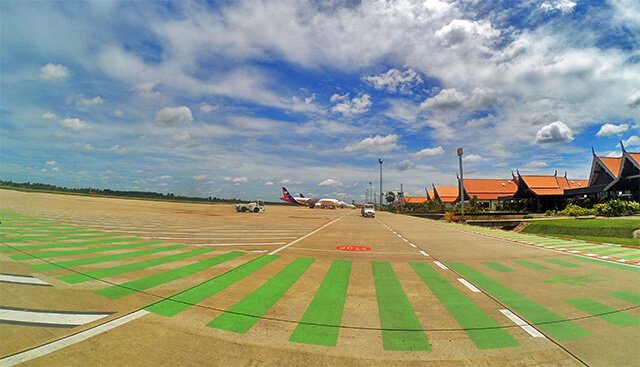
I still remember landing at Siem Reap International Airport around 2 PM and being outside the airport with my visa sorted before 2:15 PM. That’s how quick and hassle-free the process felt.
After dealing with long immigration queues in other countries, particularly during my Thailand Visa on Arrival experience, Cambodia was a breath of fresh air. The entire process was smooth, efficient, and surprisingly stress-free.
Cambodia Visa on Arrival for Indians
Getting a Cambodia Visa on Arrival was one of the easiest visa experiences I’ve ever had.
I still remember landing in Cambodia and mentally preparing myself for a long immigration queue. Instead, the process took just a few minutes. I handed over my passport, completed the formalities, paid the visa fee, and soon had my passport back with a fresh Cambodia visa stamp inside.
What impressed me most was how efficiently the airport officials handled not just my application but dozens of other arriving travelers at the same time. Compared to some of the more complicated visa processes I’ve dealt with around the world, Cambodia felt refreshingly straightforward.
That said, visa rules and fees can change over time. While I personally obtained a Visa on Arrival, travelers today generally have three options:
- Cambodia Visa on Arrival
- Cambodia eVisa
- Cambodia Visa through an Embassy
For most Indian travelers, both the Visa on Arrival and eVisa for Cambodia are simple and convenient options. The right choice depends on your travel style, entry point, and how much preparation you’d like to do before your trip.
Personally, I like arriving with as little paperwork stress as possible, which is why I increasingly prefer obtaining visas online whenever available. However, if you’re comfortable arranging everything after landing, Cambodia’s Visa on Arrival process remains one of the simplest in Southeast Asia.
Before we compare all three options, I recommend reading my Cambodia Travel Guide if you’re still planning your itinerary. Cambodia is one of the most budget-friendly countries I’ve visited, and I honestly don’t think most travelers need an expensive package tour. With a little planning, you can easily organize everything yourself and save a significant amount of money.
You may also find my detailed guide on the Cost of Travel in Cambodia useful when budgeting for your trip.
Now let’s look at each visa option and figure out which Cambodia visa is best for Indian travelers.
Also, read my Cambodia Travel Guide if you are still planning your itinerary. I don’t suggest you take a package tour as Cambodia is a budget destination. By planning your itinerary you can save a lot of money. To get a better understanding of how much a holiday can cost there read my Cost of Travel in Cambodia blog.
Now let’s get to the topic at hand and discuss which Cambodia visa for Indians is best.
Cambodia Visa For Indians: Which Option Is Best?
If you’re planning to stay in Cambodia for more than a month, you may need to explore longer-term visa options through the Cambodian Embassy or immigration authorities.
For most tourists visiting Cambodia for up to 30 days, however, there are typically two convenient choices:
- Cambodia eVisa
- Cambodia Visa on Arrival (VOA)
When I visited Cambodia, I chose the Visa on Arrival option because it was simple, affordable, and incredibly quick.
The entire process took just a few minutes at the airport. I handed over my passport, completed the formalities, paid the visa fee, and soon had a fresh Cambodia visa stamp in my passport.
Today, many travelers prefer applying for a Cambodia eVisa before departure because it saves time at immigration and offers peace of mind before arriving. Personally, though, my Visa on Arrival experience was so smooth that I never felt the need to apply online.
Whichever option you choose, I strongly recommend checking the latest visa fees and entry requirements on Cambodia’s official immigration website before travelling, as visa rules and costs can change over time.
If you’re still planning your trip, I also recommend reading my Cambodia Travel Guide and Cost of Travel in Cambodia articles. Cambodia is one of the most budget-friendly countries I’ve visited, and with a little planning, you can save a considerable amount of money by traveling independently rather than booking an expensive package tour.
Now let’s look at the documents you’ll need.
Documents Required For Cambodia Visa On Arrival
One of the reasons Cambodia remains popular among Indian travelers is because the visa process is generally straightforward.
When applying for a Cambodia Visa on Arrival, you should carry:
- A passport valid for at least six months
- Passport-size photographs (always carry a few extras)
- Proof of onward or return travel
- Accommodation details or hotel bookings
- Sufficient funds for your stay
- Visa fee in the accepted currency
That said, I can only tell you what happened in my case.
When I arrived, I wasn’t asked for anything other than my passport and visa fee. Immigration officers did not ask for my hotel reservations, proof of funds, or onward flight ticket.
However, just because I wasn’t asked doesn’t mean you won’t be.
Immigration requirements can vary depending on the border crossing, airport, current regulations, and individual circumstances. This is why I always recommend carrying all supporting documents, even if they are rarely checked.
A return or onward ticket is particularly important because Cambodian immigration authorities reserve the right to request proof that you intend to leave the country within the permitted period.
My Recommendation
Having now travelled extensively across Southeast Asia, I still consider Cambodia one of the easiest countries for Indian travelers to visit.
If you prefer handling things before departure, go for the Cambodia eVisa.
If you don’t mind completing the process after landing and the option is available at your entry point, Visa on Arrival remains a convenient choice.
Either way, the process is generally straightforward for genuine tourists.
Before travelling, I always make it a habit to double-check the latest visa requirements, fees, and entry regulations. If you’d prefer professional assistance with visa applications or travel documentation, I’ve partnered with Visa365. They can help simplify the process, and FootlooseDev readers receive discounted pricing through my referral link.
Useful Tips
- Carry a passport with at least six months validity.
- Keep both digital and printed copies of important travel documents.
- Carry proof of onward or return travel.
- Keep a few passport photographs handy.
- Verify the latest visa fees before travelling.
- Check whether your intended entry point currently supports Visa on Arrival.
- Purchase travel insurance even if it is not mandatory.
Also, read my Angkor Wat Travel Blog.
Frequently Asked Questions
Here are some regular comments I get on social media about Cambodia Visa for Indians…
Do Indians Need A Visa For Cambodia?
Yes. Indian passport holders require a visa to enter Cambodia. Most tourists either apply for a Cambodia eVisa before departure or obtain a Visa on Arrival at eligible entry points.
Can Indians Get A Cambodia Visa On Arrival?
Yes. Cambodia offers a Visa on Arrival facility to Indian citizens at major international airports and several land border checkpoints. However, it’s always a good idea to verify the latest rules before travelling, as visa policies can change.
What Is The Cost Of A Cambodia Tourist Visa For Indians?
Visa fees can change over time. Whether you’re applying for a Visa on Arrival or an eVisa, I recommend checking the official Cambodian immigration website for the latest fee structure before your trip.
Is Cambodia eVisa Better Than Visa On Arrival?
Both options work well for Indian travelers. An eVisa offers convenience because you complete the process before departure, while a Visa on Arrival can be a good option if you prefer handling everything after landing. Personally, I used the Visa on Arrival and found the process quick and hassle-free.
How Long Can Indians Stay In Cambodia On A Tourist Visa?
A standard Cambodia tourist visa typically allows a stay of up to 30 days. Travelers wishing to stay longer should check the latest extension rules and visa options available through Cambodian immigration authorities.
What Documents Are Required For A Cambodia Visa On Arrival?
Generally, you should carry:
- A passport with at least six months validity
- Passport-size photographs
- Proof of onward or return travel
- Accommodation details
- Sufficient funds for your trip
- Visa fee payment
Although I wasn’t asked for most of these documents during my visit, it’s always wise to carry them.
Is Travel Insurance Mandatory For Cambodia?
Travel insurance is not usually mandatory for obtaining a Cambodia tourist visa. However, I strongly recommend purchasing travel insurance, especially if you’re planning to visit multiple destinations in Southeast Asia.
Can I Enter Cambodia By Land With A Visa On Arrival?
Yes, Visa on Arrival facilities are available at many land border crossings. However, entry rules occasionally change, so verify your intended border crossing before travelling.
What Is The Best Cambodia Visa Option For Indians?
For most tourists, either the Cambodia eVisa or Visa on Arrival is sufficient. If you’re comfortable applying online before departure, choose the eVisa. If you prefer handling the visa after arrival and your entry point supports it, Visa on Arrival remains a convenient option.
Is Cambodia Easy To Visit For Indian Travelers?
Absolutely. In my experience, Cambodia is one of the easiest countries in Southeast Asia for Indian travelers. The visa process is straightforward, travel costs are affordable, and the country is very backpacker-friendly.
You may also be interested in reading my Phnom Penh blog and my Siem Reap itinerary