
Australia attracts millions of international tourists annually, being a popular choice for its untouched landscapes, unique wildlife, and rich cultural heritage. With its vast and wild outback landscapes and pristine beaches, it’s sure to appeal to nature lovers and adventurers alike.
I remember when I was doing a day trip to the Pinnacles in the Yanchep National Park we were particularly briefed about being careful of finding wildlife around.
Visitors with a keen interest in history can also engage with the ancient Aboriginal community and visit sacred sites like Uluru for a look into one of the world’s oldest living cultures.
With so much to explore, you can set your sights Down Under to embark on your next great adventure or simply enjoy a laid-back getaway, solo or with family. But it’s important to keep in mind that Australia’s uniquely harsh environment and vast geography demand specific precautions – especially for international travellers who may be unfamiliar with the intensity of the Australian sun.
Let’s take a look at how you can safeguard your trip for a worry-free adventure.
Secure Travel Insurance
No matter how carefully you plan your trip, unexpected disruptions can happen. That’s why travel insurance is one of the most important things to organise before exploring Australia. Australian travel insurance can cover unforeseen circumstances, including trip cancellations, lost luggage, emergency medical expenses, and rental car excess.
This becomes even more important if your itinerary includes adventure activities or longer journeys. If you are planning to dive the Great Barrier Reef or set sail from Sydney Harbour, having appropriate cover can provide valuable peace of mind.
Before purchasing a policy, make sure you understand what activities are included, disclose any pre-existing medical conditions, and familiarise yourself with any travel advisories or policy exclusions. Taking the time to choose the right cover can help ensure an unexpected setback doesn’t derail your Australian adventure.
Tread Carefully around Wildlife
Maybe you’re planning to explore Victoria’s coastal bushland in search of wild koalas or heading into the Outback on a guided adventure; taking a few basic precautions can help ensure a safe and enjoyable experience. Always stay on marked trails, carry plenty of water and snacks, and dress appropriately for the conditions. Australia’s climate can be harsh, so sunscreen, a hat and comfortable walking shoes are essential, even on cooler days.
One of the highlights of travelling in Australia is encountering native wildlife. Kangaroos, koalas, wombats, platypuses and countless bird species can be found across the country. While these encounters can be memorable, remember to observe animals from a safe distance and never attempt to feed or approach them.
If you’re venturing into bushland or remote areas, familiarise yourself with local wildlife risks, including snakes and other potentially dangerous animals. Carrying a basic first-aid kit (that includes a snake bit kit), knowing your location, and following local safety advice can go a long way towards helping you enjoy Australia’s unique natural environments safely and responsibly.
Swim Safely in all Waterways
Many of Australia’s most memorable wildlife experiences take place in the water, from swimming with sea lions near Port Lincoln to spotting manta rays along the Ningaloo Coast. Ride over Victoria’s Shipwreck Coast and view the iconic 12 Apostles from a helicopter. Or discover the legendary surf culture on Queensland’s Gold Coast.
While these adventures are generally safe when conducted through reputable operators, it’s still important to remain aware of your surroundings. While undeniably gorgeous, Australia’s beaches can also be quite wild at times, with riptides and other hazards awaiting unsuspecting swimmers.
To ensure your safety, try to swim only at patrolled beaches and avoid diving into unfamiliar waters. Also, beware, when swimming in freshwater bodies as well, as some waters are croc-infested, particularly in the tropical north.
Even calm-looking water can conceal dangerous rip currents or sudden drop-offs. Never swim alone, and always check local conditions before entering the water. If you’re planning to go boating, snorkelling or diving, just make sure your equipment is in good working order and that appropriate safety gear is readily available. A little preparation can help you enjoy Australia’s spectacular waterways safely and confidently.
Driving Safely and Responsibly
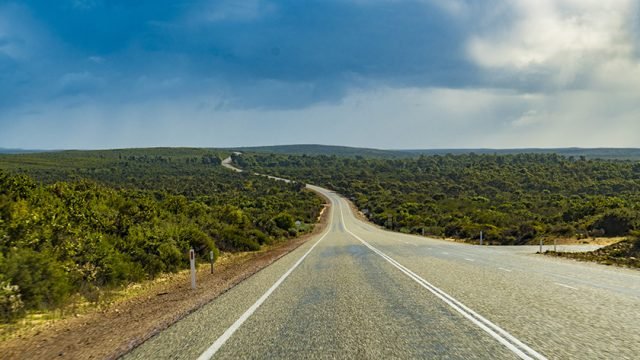
Boasting hundreds of thousands of kilometres worth of country highways, Australia is a fantastic road trip destination with plenty to see and do in even the most remote regions of the continent. Traversing the Great Ocean Road from Torquay to Warrnambool or heading down the east coast from Cairns to Newcastle are just a couple of musts on the itinerary.
Before setting off, take the time to plan your route carefully. Australians drive on the left-hand side of the road, and conditions can vary significantly depending on where you’re travelling. Wildlife is one of the biggest hazards for drivers, particularly at dawn and dusk when kangaroos, wallabies and emus are most active. Keep an eye out for ‘Wildlife Crossing’ road signs as well to avoid colliding with any kangaroos, wallabies, wombats, or echidnas that may be crossing the road.
If you’re travelling through regional or remote areas, make sure your vehicle is also suitable for the terrain and that you carry essentials like water, snacks, a first-aid kit and emergency supplies.
Write Down Emergency Numbers
Mobile coverage can be limited in some parts of the country, so downloading offline maps, planning fuel stops in advance and informing others of your travel plans are all sensible precautions.
Before travelling, make sure you’re familiar with Australia’s emergency contact numbers. Dial Triple Zero (000) for police, fire or ambulance services in an emergency. You can also call 112 from most mobile phones, which will connect you to the same emergency services operator.
If you’re travelling through regional or remote areas, it’s worth noting that emergency responders can often use Advanced Mobile Location (AML) technology to help identify your location when you call from a compatible device.
It’s also a good idea to enable emergency alerts and monitor local warnings, particularly during bushfire, flood or severe weather seasons. Knowing how to access help quickly can make a significant difference if an emergency occurs while you’re travelling.
Prepare for all Australian Climates
Australia is known for its high UV levels, and sunburn can occur even on cloudy days. Always carry high-SPF sunscreen, a wide-brimmed hat and UV-protective sunglasses when spending time outdoors.
While northern Australia generally experiences a tropical climate, southern regions can see significant seasonal variation. Melbourne is famous for its unpredictable “four seasons in one day” weather, while areas of the Outback often experience dramatic temperature changes between day and night. Check local forecasts through the Bureau of Meteorology (BOM) and pack layers so you’re prepared for changing conditions.
Dissecting the Dangers of the Outback
Australia’s Outback offers some of the country’s most unforgettable landscapes, but it also presents unique challenges for travellers. Vast distances, limited mobile reception, extreme temperatures and unpredictable weather can quickly turn a minor issue into a serious situation. Vehicle breakdowns, dehydration and running low on fuel are some of the most common risks, particularly for those unfamiliar with remote-area travel.
If you’re visiting the Outback for the first time or travelling solo, a guided tour can be a safer and more convenient way to experience the region. Alternatively, iconic rail journeys such as The Ghan and Indian Pacific offer a comfortable way to explore Australia’s vast interior while taking in some of the country’s most spectacular scenery.
Key Takeaways
Australia rewards travellers with incredible experiences, from world-famous beaches and rugged Outback landscapes to unique wildlife encounters and rich cultural heritage. While the country’s size and natural environment present some challenges, a little preparation goes a long way.
By organising appropriate travel insurance, respecting local conditions, staying aware of wildlife and weather risks, and knowing how to access help in an emergency, you’ll be well-equipped to explore with confidence.