
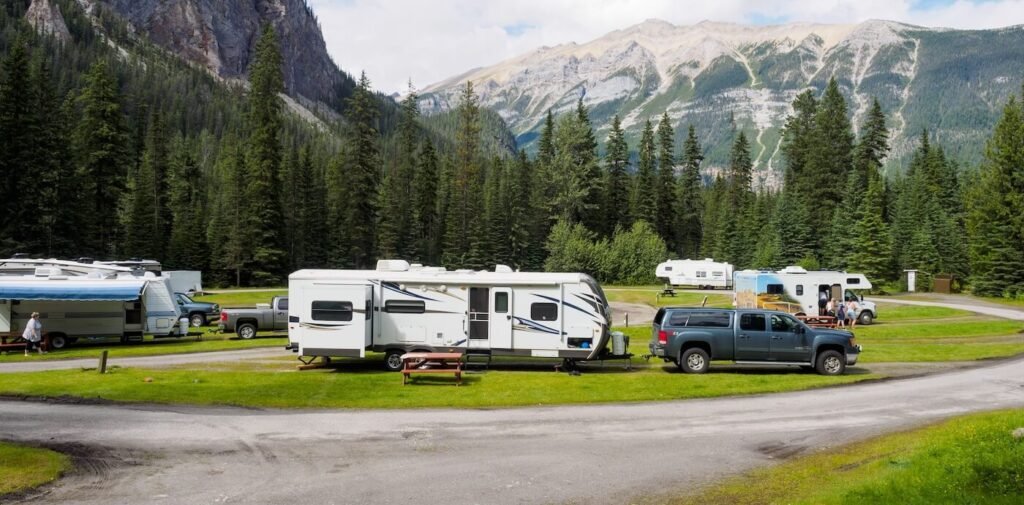
A long RV trip can change how much you rely on the battery. A setup that works well for a weekend at a serviced campground may feel limited after several nights of running lights, a fridge, fans, a water pump, phones, laptops, and other equipment away from an outlet.
Choosing the right RV battery is not about buying the largest model available. It is about matching the battery to how you travel, how much electricity you use, how often you can recharge, and the conditions you expect on the road.
Start With What the Battery Needs to Run
Before comparing battery types, work out what the battery is expected to do. RVs may have a separate engine-starting battery and a house battery bank, and the two are designed for different jobs.

Know the Difference Between Starting and House Batteries
A starting battery provides a short, high-current burst to start an engine. A deep-cycle house battery is intended to supply electricity over longer periods and handle repeated charging and discharging.
For long trips, the house battery usually needs the most planning because it supports daily living while the RV is parked.
List Your Everyday Electrical Loads
Write down the equipment you normally use, such as:
- 12-volt refrigerator
- Interior lights
- Water pump
- Ventilation fans
- Phones and cameras
- Laptop chargers
- Inverter-fed appliances
- Heating or control systems
Add an estimate of how many hours each item runs per day. That simple list gives you a realistic starting point for battery sizing.
Compare RV Battery Types Before Choosing
The main house-battery choices are flooded lead-acid, AGM, and lithium iron phosphate, usually called LiFePO4. They differ in weight, maintenance, usable capacity, charging requirements, and purchase cost.
Which Type Fits Your Travel Style?
Understand what Battery type you need. Is it Flooded lead-acid, AGM or LiFePO4.
The Flooded lead-acid ones are ideal for Campground-based travel and lower upfront budgets. Whereas AGM is for Travellers wanting a sealed lead-acid option. On the other hand, LiFePO4 are ideal for Frequent off-grid stays and weight-conscious setups, but they have higher upfront cost and system compatibility checks.
Flooded lead-acid batteries can still work well when hookups are available often, and cost is a major concern. AGM batteries need less routine care than flooded batteries and are commonly used in RV deep-cycle applications.
LiFePO4 batteries are lighter than many lead-acid alternatives and are widely used where repeated off-grid use matters. Their charging requirements are different, so the existing charger should be checked before making a switch.
People searching for the best rv battery may expect one model to suit every RV. In practice, the better choice depends on the RV’s charging system, available space, climate, daily electrical use, and how often the vehicle stays away from hookups.
Work Out How Much Battery Capacity You Need
Battery capacity is often shown in amp-hours, or Ah, but the number only helps when it is compared with your daily use. Buying by Ah alone can lead to an oversized battery bank that charges too slowly or a smaller one that runs low too quickly.
Estimate Daily Use in Watt-Hours
For equipment rated in watts, use this simple process:
- Multiply the device’s watt rating by the number of hours it runs.
- Add the watt-hours for all devices used during the day.
- Compare that total with the usable energy available from the battery bank.
- Keep some margin for conversion losses and days when charging is limited.
A 40-watt device running for five hours uses about 200 watt-hours. Repeating the calculation for your main devices gives a much clearer estimate than choosing a battery by price or physical size.
Watch Inverter Loads
Kettles, hair dryers, cooking appliances, and other inverter-fed equipment can draw a lot of current. If these are part of your routine, check the battery bank and inverter rating together.
Check How You Will Recharge During the Trip
A large battery bank is of little use if it cannot be recharged within the time available. Depending on the RV, charging may come from campground hookups, the vehicle alternator, solar panels, or a generator.
Match the Charger to the Battery
Different battery chemistries use different charging profiles. An older charger designed for lead-acid batteries may not be suitable for a lithium replacement without new settings or equipment.
Before buying, check the converter or charger, solar controller, alternator charging arrangement, and any battery-management requirements. Some lithium installations also use a DC-to-DC charger between the alternator and the house bank.
Account for Cold Weather
Cold-weather travel needs extra attention with LiFePO4 batteries. Many manufacturers restrict charging below freezing unless suitable low-temperature protection or heating is built in. One RV battery manufacturer advises against charging its LiFePO4 products below 32°F (0°C) without appropriate protection.
If your route includes winter campsites or high mountain areas, check the exact temperature limits in the battery manual.
Check Fit, Weight, and Wiring Before Buying
A battery can be technically suitable and still be wrong for the RV. Physical dimensions, cable size, terminal position, and vehicle weight limits all matter before installation.
Measure the Battery Compartment
Check:
- Length, width, and height
- Terminal location
- Cable reach
- Mounting method
- Battery weight
- Compartment or vehicle load limits
This is especially important when adding several batteries. Water, luggage, passengers, camping equipment, and the battery bank all contribute to the RV’s total weight.
Inspect Cables and Connections
Loose, damaged, or undersized cables can cause voltage drop and unwanted heat. A larger battery bank or higher-current equipment may also require wiring changes, so the electrical setup should be checked against the new battery specifications.
It is also useful to pair the battery check with a broader road-trip essentials checklist before leaving. Battery planning is only one part of preparing an RV for several days on the road.
Conclusion
The right RV battery for a long road trip depends on daily electrical use, charging options, available space, climate, and where you plan to camp. Flooded lead-acid can suit simpler, budget-focused setups, AGM offers a lower-maintenance lead-acid option, and LiFePO4 can work well for frequent off-grid use when the charging system supports it.
Estimate your daily use first, then compare battery type, usable capacity, recharge time, fit, weight, and charger compatibility. That approach gives you a battery setup built around the way you actually travel rather than a specification that looks good on paper.